

Concrete Bollard Installation Cost | Crystal Hills

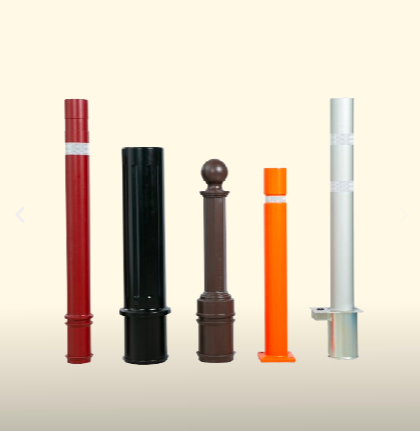
Understanding the concrete bollard installation cost is essential when planning to secure your property or manage traffic effectively. Concrete bollards are strong posts.
They act as protective barriers in many situations. Many businesses and public spaces use them. These bollards help safeguard pedestrians, buildings, and sensitive areas from vehicle impact.
They also guide traffic. The total cost involves more than just the bollard itself. It includes the installation process, which has several parts.
At Crystal Hills, we help you navigate these expenses. We provide clear information and expert services. This article explores the various factors that make up the concrete bollard installation cost.
We want to help you make informed decisions for your security needs.
What are Concrete Bollards and Why Use Them?
Concrete bollards are sturdy, vertical posts. People typically install them to control vehicle access and improve safety. They are made from concrete, often with steel reinforcement inside for extra strength.
You can find them in various shapes and sizes. Some are plain and functional. Others have decorative designs to match their surroundings.
Why should you consider using concrete bollards? They offer many benefits:
- Enhanced Security: Concrete bollards provide excellent protection against accidental vehicle collisions. They can also deter deliberate ram-raid attacks on storefronts or buildings. This makes them a key part of physical security plans.
- Pedestrian Safety: Bollards create safe zones for people walking. They separate pedestrian pathways from vehicle traffic in areas like sidewalks, plazas, and school zones. This greatly reduces the risk of accidents.
- Traffic Delineation: You can use concrete bollards to guide vehicles. They mark out parking spaces, roadways, and restricted areas. This helps organize traffic flow and prevent unauthorized parking.
- Asset Protection: Bollards protect valuable assets. These can include utility boxes, fire hydrants, building corners, landscaping, and outdoor seating areas. Preventing damage to these assets saves repair costs.
- Durability and Low Maintenance: Concrete is a very strong material. Concrete bollards can withstand harsh weather conditions and impacts. Once installed, they generally require very little maintenance. This makes them a cost-effective long-term solution.
You will see concrete bollards used in many places.
Common applications include:
- Storefronts and retail centers
- Office building perimeters
- Parking lots and garages
- Parks, plazas, and public squares
- School and university campuses
- Protecting critical infrastructure
The strength and reliability of concrete bollards make them a popular choice for these diverse security and safety needs.
Factors Influencing Concrete Bollard Cost
Before we discuss installation, let’s look at the Concrete Bollard cost for the actual bollard unit. The Bollard Post price itself can vary based on several key factors. Understanding these will help you budget for the materials.
-
Size and Weight: This is a major cost factor. Larger and heavier concrete bollards require more raw materials (cement, aggregates, steel reinforcement) to produce. Therefore, they will generally cost more than smaller, lighter ones. The diameter and height of the bollard are key specifications here.
-
Design and Aesthetics: Plain, cylindrical concrete bollards are usually the most economical. However, if you need decorative designs, special shapes (e.g., square, tapered), or specific architectural styles, these will add to the Concrete Bollard cost. Custom molds and more complex manufacturing processes increase the price.
-
Reinforcement: Standard concrete bollards contain steel rebar for strength. If your application requires extra high-impact resistance, the bollard might need more extensive internal reinforcement. This additional steel and engineering will influence the Bollard Post price.
-
Finish and Color: A basic, unfinished concrete surface is the standard. If you want a specific color mixed into the concrete, a painted finish, an exposed aggregate finish, or other surface treatments, expect these to increase the cost. Some people also use bollard sleeves or covers for aesthetics or visibility, which is an additional expense.
-
Pre-cast vs. Poured-in-Place: Most individual concrete bollards you purchase are pre-cast. This means they are manufactured in a factory and then transported to your site for installation. Poured-in-place bollards, where concrete is poured into a form on-site, are also an option for some projects, especially for continuous barriers, but the focus here is on installing pre-made units. The manufacturing quality of pre-cast units can affect price.
-
Manufacturer and Supplier: Different manufacturers may have different pricing structures based on their production methods, quality standards, and brand reputation. It is always good to get quotes from a few reputable suppliers.
-
“Bollards price list”: While you might search for a fixed “Bollards price list,” these are often general guides. The price for a specific concrete bollard can change based on the factors above and order quantity. For custom or large orders, a direct quote from the supplier, like Crystal Hills, is usually necessary to get an accurate Concrete Bollard cost.
Remember, the Bollard Post price is just one component. The installation costs, which we will cover next, are also a significant part of the overall expense.
Concrete Bollard Installation Cost
The actual installation of concrete bollards involves several steps and resources. These all contribute significantly to the final concrete bollard installation cost.
It’s more than just placing the bollard in a hole. Professional installation ensures safety, stability, and longevity.
-
Site Preparation: This is the first crucial phase.
- Marking and Layout: The exact locations for each bollard must be precisely marked. This ensures they are aligned correctly and provide the intended protection or guidance.
- Excavation: Holes need to be dug for the bollard footings. The depth and diameter of these holes are critical. They depend on factors like the bollard size, the frost line in your area (to prevent movement from freezing ground), and the level of impact resistance required. Deeper and wider footings mean more excavation work and higher costs. Soil conditions also matter; rocky soil is harder to excavate than soft earth.
- Underground Utility Check: Before any digging, it is absolutely vital to check for underground utilities like pipes (water, gas) and cables (electricity, communication). Hitting these can be dangerous and expensive. Professional installers use Cable Avoidance Tools (CAT scans). This check can add a small cost but prevents huge potential problems.
- Debris Removal: The excavated soil and any other debris must be removed from the site. This disposal has a cost.
-
Materials for Installation:
- Concrete for Footing: Each bollard needs a substantial concrete footing to hold it securely in place. The amount of concrete needed depends on the footing size. This is a major material cost. Using a “Bollard Concrete Calculator” (which we’ll discuss later) can help estimate this. Sometimes, a “small load fee” applies if you order less than a full truck of ready-mix concrete.
- Gravel or Base Material: Often, a layer of gravel is placed at the bottom of the excavated hole to improve drainage and provide a stable base for the concrete footing.
- Reinforcement for Footing: The concrete footing itself might need steel rebar reinforcement, especially for security bollards designed to withstand high impacts.
- Setting Materials: This includes items like wooden forms (Sonotubes are common for round footings) if needed, and temporary bracing to hold the bollard straight while the concrete cures.
- Labor Costs:This is often the largest component of the installation cost. Skilled labor is required for:
- Operating excavation equipment.
- Precisely setting the bollards. This includes ensuring they are plumb (perfectly vertical) and at the correct height.
- Mixing and pouring concrete (if not using ready-mix).
- Finishing the concrete surface around the bollard.
- Cleaning up the site. Labor rates vary by region. If you are searching for “Concrete bollard installation cost near me,” local labor rates in your specific area in Nigeria will be a key factor. Complex installations or difficult site conditions can increase labor hours.
- Equipment Rental/Use:Installers will use various equipment. This might include:
- Mini-excavators or augers for digging holes.
- Concrete mixers (if mixing on-site).
- Possibly core drills or concrete saws if installing into existing hardscaping.
- Trucks for delivering materials and removing debris. The cost of using or renting this equipment is factored into the installation price.
- Accessibility of Site: If the installation site is difficult to access with machinery and materials (e.g., narrow passages, remote areas, steep slopes), it will take more time and manual effort, increasing labor costs.
- Number of Bollards: Installing a single bollard can be relatively expensive on a per-unit basis due to mobilization costs (getting crew and equipment to the site). Installing multiple bollards in one project often reduces the average concrete bollard installation cost per unit, as these initial costs are spread out.
- Permits and Inspections: Depending on your location and the nature of the project (especially in public areas or for security installations), permits from local authorities might be required. There could also be costs associated with inspections to ensure compliance with regulations.
Crystal Hills can provide a detailed quote that breaks down these elements for your specific project, helping you understand the full concrete bollard installation cost.
Retractable Bollards
While our main focus is on fixed concrete bollards, it’s useful to briefly touch upon retractable bollards. You might wonder, “How much do retractable bollards cost?” The simple answer is: significantly more than standard concrete bollards.
Retractable bollards, also known as telescopic or rising bollards, can be lowered into the ground when access is needed and raised to block entry when required.
They come in several types:
- Manual Retractable Bollards: These are operated by hand, often with a key or a special tool to lift and lower them.
- Semi-Automatic Retractable Bollards: These might use gas springs to assist in lifting after being unlocked manually.
- Automatic Retractable Bollards: These are fully automated, using electric or hydraulic systems. They can be controlled by remote controls, keypads, card readers, or integrated into larger security systems.
The reasons for their higher cost are clear:
- Complex Mechanisms: The internal lifting mechanisms, whether manual or automatic, are far more complex than a solid concrete post.
- Materials: Many retractable bollards are made from high-grade stainless steel or heavy-duty steel for durability and aesthetics, which are often more expensive raw materials than standard concrete.
- Electronics and Hydraulics: Automatic versions require motors, control boards, hydraulic systems, and wiring, all of which add substantial cost.
- More Complex Installation: Installing retractable bollards is a more intricate process. It involves deeper excavation for the housing unit, precise alignment of the mechanism, and often electrical connections for automatic models. This means higher labor costs for installation.
So, while a basic concrete bollard post might cost a certain amount, a manual retractable bollard could be several times that price even before installation.
Automatic retractable bollards can cost thousands of dollars (or the equivalent in Naira) per unit, plus specialized installation.
Therefore, when considering “How much do retractable bollards cost?”, be prepared for a much larger investment. They offer flexibility that concrete bollards don’t, but this comes at a premium.
They are typically used where frequent, controlled access changes are essential, such as restricted driveways, city centers, or secure facility entrances.
Bollard Removal Cost
Sometimes, existing bollards need to be removed or replaced. Understanding the Bollard removal cost is important if you are upgrading your site or if bollards have been damaged.
This cost is not standard and depends on several factors:
-
Bollard Size and Footing: The bigger the bollard and, more importantly, the larger and deeper its concrete footing, the more effort and equipment will be needed to remove it. Some bollards are set in very substantial concrete foundations, especially security-rated ones.
-
Method of Removal:
- Cutting at Grade: The quickest and often cheapest method is to cut the bollard post off at ground level. However, this leaves the concrete footing in the ground, which might not be suitable if the area needs to be completely clear or if new installations will interfere.
- Full Extraction: Removing the entire bollard along with its footing is more labor-intensive and costly. This requires breaking up the surrounding surface (if paved), excavating around the footing, and then lifting the entire heavy assembly out.
-
Equipment Needed: For full extraction of large concrete footings, machinery like mini-excavators or even larger equipment with lifting capabilities might be necessary. Jackhammers will likely be needed to break concrete.
-
Disposal of Materials: The removed concrete bollard and its footing are heavy and bulky. There are costs associated with transporting and properly disposing of this concrete debris. Some recycling facilities may take clean concrete.
-
Site Restoration: After removal, the area will need to be restored. This might involve:
- Filling the hole left by the footing (with soil, gravel, or new concrete).
- Patching asphalt or concrete surfaces to match the surrounding area.
- Landscaping repairs if the bollard was in a planted area. The extent of restoration significantly impacts the Bollard removal cost.
-
Number of Bollards: Similar to installation, removing a single bollard might have a higher per-unit cost than removing multiple bollards due to mobilization costs.
If you are planning to remove old bollards, it is best to get a quote from a professional service like Crystal Hills.
They can assess the situation and provide an accurate estimate for the Bollard removal cost, including disposal and site restoration.
Bollard Installation Near Me
When you decide to proceed with installing concrete bollards, finding a reliable local installer is crucial. You might search online for “Bollard installation near me” or “concrete bollard installers in Nigeria.”
Here’s what to consider when choosing a contractor, and how Crystal Hills can assist:
-
Experience and Expertise: Look for a company with proven experience in installing concrete bollards. Ask about similar projects they have completed. Experienced installers understand the nuances of proper footing depth, concrete mixing, and secure setting techniques. They will also be familiar with local ground conditions.
-
Knowledge of Local Regulations: Some areas may have specific regulations or permit requirements for bollard installations, especially in public spaces or for security purposes. A good local installer should be aware of these.
-
Insurance and Licensing: Ensure the contractor has adequate liability insurance. This protects you in case of any accidental damage or injuries during the installation process. Check for any necessary business licenses to operate in your area.
-
Proper Equipment: Professional installers will have the right equipment for the job, including excavation tools, concrete mixers, and safety gear. They will also know how to conduct essential pre-installation checks, such as scanning for underground utilities.
-
References and Reviews: Ask for references from previous clients or check online reviews. Hearing about others’ experiences can give you confidence in their workmanship and customer service.
-
Clear Quotations: A reputable installer will provide a detailed written quotation. This quote should break down the costs, including materials, labor, equipment, and any other charges for your concrete bollard installation cost. Avoid contractors who give vague estimates or pressure you into immediate decisions.
How Crystal Hills Can Help:
If you are looking for “Bollard installation near me” within our service areas in Nigeria, Crystal Hills is your trusted partner.
- We have experience with a wide range of security installations, including concrete bollards.
- Our team understands the importance of correct installation for both safety and durability.
- We provide clear, itemized quotes so you understand the full concrete bollard installation cost.
- Crystal Hills is committed to quality workmanship and customer satisfaction. We use appropriate materials and techniques to ensure your bollards are installed correctly and securely.
Choosing a qualified local installer like Crystal Hills ensures your bollard project is completed efficiently, safely, and to a high standard.
Bollard Concrete Calculator
When planning your concrete bollard installation, especially the footing, one useful tool you might come across is a “Bollard Concrete Calculator.” This tool helps you estimate the amount of concrete needed for the installation.
Understanding its purpose and how it works can aid in budgeting for materials.
- Purpose of a Bollard Concrete Calculator: The primary purpose is to calculate the volume of concrete required for the footings that will secure your bollards in the ground. Some calculators might also help estimate concrete needed to fill hollow steel bollard posts, but for solid concrete bollards, the main use is for the footing.
- How It Generally Works:Most online “Bollard Concrete Calculator” tools require you to input specific dimensions:
- Footing Diameter (or width and length for square footings): This is how wide the concrete base for the bollard will be. A common rule of thumb is that the footing diameter should be at least three times the diameter of the bollard itself, but this can vary based on soil conditions and impact resistance needs.
- Footing Depth: This is how deep the concrete footing will extend into the ground. Depth is crucial for stability and depends on factors like the frost line and the bollard’s purpose.
- Number of Bollards: You input how many bollards you are installing with these footing dimensions. The calculator then uses these dimensions to compute the volume of each footing and multiplies it by the number of bollards. The result is usually given in cubic yards or cubic meters. Some calculators might also help convert this volume into the number of bags of pre-mixed concrete needed if you are not using ready-mix.
-
Benefits of Using a Calculator:
- Material Cost Estimation: It gives you a good estimate of the amount of concrete you need to purchase, helping you budget for this significant material cost within your overall concrete bollard installation cost.
- Reducing Waste: By getting a more accurate estimate, you can avoid over-ordering concrete, which saves money and reduces material waste.
- Planning: It helps in the planning phase, ensuring you account for the right quantity of materials.
- Important Disclaimer:While a “Bollard Concrete Calculator” is a helpful estimation tool, it’s important to remember that it provides an estimate. Actual site conditions, variations in excavation, and the specific engineering requirements for your project might lead to slight differences. It is always recommended to consult with professional installers like Crystal Hills. We can perform a site assessment and determine the precise footing requirements and concrete volumes for your concrete bollard installation cost, ensuring optimal stability and safety.
Using a calculator can give you a preliminary idea, but professional expertise ensures the job is done right.
Why Choose Crystal Hills for Bollard Solutions?
When considering your concrete bollard installation cost and selecting a partner, Crystal Hills offers significant advantages. We are dedicated to providing top-quality security solutions across Nigeria.
Our team possesses the expertise to guide you through every step. We help you select the right type of concrete bollards for your specific needs, whether for traffic management, pedestrian safety, or enhanced security.
We understand that the Concrete Bollard cost and installation are key concerns. Therefore, we provide transparent and detailed quotations.
Crystal Hills ensures professional installation. Our technicians are trained to handle all aspects, from site assessment and proper excavation to secure setting and finishing. We aim for durability and compliance with safety standards.
We also assist with understanding factors like Bollard Post price and advise on options like using a Bollard Concrete Calculator for initial estimates.
Choosing Crystal Hills means investing in peace of mind. You get reliable products, skilled installation, and a commitment to your satisfaction. We help you achieve effective site protection within your budget.
FAQs about Concrete Bollards
1. What is a concrete bollard?
A concrete bollard is a short, sturdy post made of concrete used to control traffic, protect buildings, or enhance security by preventing unauthorized vehicle access.
2. How much does a concrete bollard cost?
The price varies depending on size, design, and installation, but typically ranges from $200 to $1,500 per unit.
3. How much does it cost to install a concrete bollard?
Installation costs depend on site conditions and labor, generally ranging from $200 to $800 per bollard.
4. How are concrete bollards installed?
Bollards are installed by digging a hole, placing the bollard with proper reinforcement, and pouring concrete around it for stability.
5. How long does it take to install a concrete bollard?
Installation usually takes 1 to 3 hours per bollard, not including curing time for the concrete, which may require several days.
6. How heavy is a concrete bollard?
A standard concrete bollard can weigh anywhere from 200 to 500 pounds, depending on its size and density.
7. How deep should a concrete bollard be set?
For secure installation, bollards are typically embedded 18 to 24 inches deep into the ground with a proper foundation.
8. What is the average size of a concrete bollard?
Standard sizes range from 30 to 42 inches in height, with a diameter of 6 to 12 inches.
9. How strong are concrete bollards?
Concrete bollards offer high impact resistance and are often used for security applications, capable of stopping vehicles at various speeds depending on their rating (e.g., K-rated).
10. What are the different types of bollards?
Common types include fixed, removable, decorative, lighted, and impact-rated bollards, each serving specific functional or aesthetic purposes.
Conclusion
Concrete bollards are a robust and effective solution for protecting property and managing vehicle and pedestrian flow.
While the initial concrete bollard installation cost is an important consideration, the long-term benefits of enhanced safety, security, and durability provide excellent value.
Planning carefully and choosing a professional installer are key to a successful project.
Are you ready to enhance the safety and security of your premises with concrete bollards? Don’t leave your property vulnerable.
Contact Crystal Hills today!
Our experts are available to discuss your specific needs and provide a comprehensive analysis of your concrete bollard installation cost.
We can help you understand the Concrete Bollard cost, Bollard Post price, and all associated expenses. Find out about “bollard installation near me” with Crystal Hills.
Call us now at +2348-1383-16169 or visit our website at www.crystalhills.ng for a consultation and a detailed quote.
Secure your environment with Crystal Hills – your trusted partner for bollard solutions in Nigeria.


