

What Does a UHF RFID Reader do | Crystal Hills

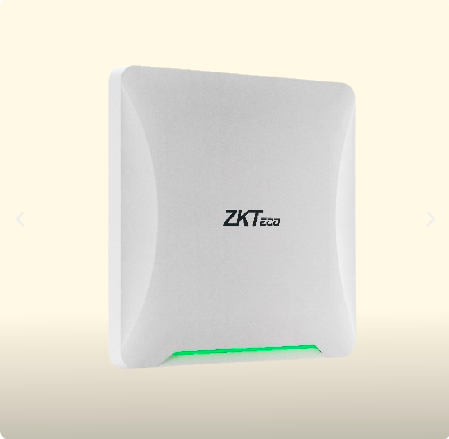
UHF 5 Series UHF RFID Readers play a vital role in modern data capture, and understanding what they do can unlock many possibilities for businesses and individuals.
We know that new technology can sometimes seem complex. You might be wondering how UHF 5 Series UHF RFID Readers work and how they can benefit you.
This guide is here to help. We want to explain the function of UHF 5 Series UHF RFID Readers in simple terms. Our goal is to show you the power and versatility of UHF 5 Series UHF RFID Readers.
UHF 5 Series UHF RFID Readers
Imagine needing to quickly identify and track many items without scanning each one individually. This is where UHF 5 Series UHF RFID Readers come into their own.
A UHF Reader, like those in the UHF 5 Series UHF RFID Readers lineup, uses radio waves to read information stored on special tags, called RFID tags.
Think of it like a super-fast, no-contact barcode scanner. UHF 5 Series UHF RFID Readers are designed to make this process efficient and reliable.
Understanding this basic function is the first step to appreciating UHF 5 Series UHF RFID Readers.
The “UHF” in UHF 5 Series UHF RFID Readers stands for Ultra High Frequency.
This means these readers operate at a specific radio frequency that allows them to read tags from a longer distance compared to other types of RFID readers.
This long-range capability is a key advantage of UHF 5 Series UHF RFID Readers. This makes UHF 5 Series UHF RFID Readers ideal for applications where items might not be close to the reader.
Many industries rely on the efficiency of UHF 5 Series UHF RFID Readers.
UHF 5 Series UHF RFID Readers Consist of?
So, what does a UHF 5 Series UHF RFID Readers system typically consist of?
RFID tags: You have the UHF 5 Series UHF RFID Readers themselves, RFID tags (which are attached to the items you want to track), and often some software to manage the data collected by the UHF 5 Series UHF RFID Readers.
Each tag has a tiny chip and an antenna. The UHF 5 Series UHF RFID Readers emit radio waves, which power up the tag, and the tag then sends its information back to the UHF 5 Series UHF RFID Readers.
This seamless communication is what makes UHF 5 Series UHF RFID Readers so effective.
Uhf 5 Series UHF RFIDReaders User Manual: Many people look for a “Uhf 5 series uhf rfid readers user manual” or a “Uhf 5 series uhf rfid readers manual” to understand the specifics of operation.
These manuals are essential. They provide detailed instructions on how to set up and use your UHF 5 Series UHF RFID Readers correctly.
Following the guidance in the user manual ensures you get the best performance from your UHF 5 Series UHF RFID Readers. Always keep the manual for your UHF 5 Series UHF RFID Readers handy.
Uhf 5 Series UHF RFID Readers Price
When considering an investment, the ” Uhf 5 series uhf rfid readers price ” is an important factor. The cost can vary depending on the specific model and features of the UHF 5 Series UHF RFID Readers.
While some UHF 5 Series UHF RFID Readers might seem like a significant purchase, their ability to improve efficiency and accuracy often leads to long-term savings.
It’s best to get quotes for UHF 5 Series UHF RFID Readers based on your specific needs. The value provided by UHF 5 Series UHF RFID Readers often justifies the price.
Reading a ” Uhf 5 series uhf rfid readers review ” can also be very helpful.
Reviews from other users provide real-world insights into the performance and reliability of UHF 5 Series UHF RFID Readers.
Look for reviews that discuss ease of use, read range, and customer support for the UHF 5 Series UHF RFID Readers.
These firsthand accounts can guide your decision when choosing UHF 5 Series UHF RFID Readers. Honest reviews are a great resource when researching UHF 5 Series UHF RFID Readers.
For hobbyists and developers, connecting a UHF RFID reader Arduino setup is a popular project.
While specific compatibility will depend on the model, some UHF 5 Series UHF RFID Readers can be interfaced with platforms like Arduino for custom applications.
This allows for creative uses of UHF 5 Series UHF RFID Readers in smaller-scale projects or prototypes.
Exploring UHF RFID reader Arduino projects can be a great way to learn about the technology behind UHF 5 Series UHF RFID Readers.
The UHF 5 Pro series often represents a more advanced lineup within the broader range of UHF 5 Series UHF RFID Readers.
These “Pro” versions might offer enhanced features, such as longer read ranges, faster reading speeds, or more robust connectivity options.
If your application demands higher performance, investigating the UHF 5 Pro series of UHF 5 Series UHF RFID Readers would be beneficial. These premium UHF 5 Series UHF RFID Readers cater to more demanding tasks.
Brands like ZKTeco also offer RFID solutions. For instance, a “ZKTeco RFID Long range Reader” functions on similar principles to UHF 5 Series UHF RFID Readers, focusing on providing extended read distances.
While they might be from a different manufacturer, understanding the capabilities of a ZKTeco RFID Long range Reader can help you appreciate the general benefits of long-range RFID technology, which is a hallmark of UHF 5 Series UHF RFID Readers.
Many companies, like ZKTeco, contribute to the field where UHF 5 Series UHF RFID Readers operate.
What are some common uses for UHF 5 Series UHF RFID Readers? They are widely used in inventory management.
Imagine a warehouse where employees can quickly count thousands of items equipped with RFID tags using UHF 5 Series UHF RFID Readers without needing a direct line of sight. This dramatically speeds up stocktaking and reduces errors compared to manual methods.
UHF 5 Series UHF RFID Readers revolutionize inventory processes. The efficiency gains from using UHF 5 Series UHF RFID Readers in inventory are substantial.
Asset tracking is another major application for UHF 5 Series UHF RFID Readers.
Companies can use UHF 5 Series UHF RFID Readers to keep track of valuable equipment, tools, or returnable containers. This helps prevent loss and improves the utilization of assets.
Knowing where your important items are at all times is a significant benefit provided by UHF 5 Series UHF RFID Readers. This makes UHF 5 Series UHF RFID Readers invaluable for asset management.
In retail, UHF 5 Series UHF RFID Readers can enhance security by detecting unpaid items leaving a store.
They can also improve supply chain visibility, allowing businesses to track products from manufacturing to the point of sale using UHF 5 Series UHF RFID Readers.
This detailed tracking helps optimize logistics and reduce instances of counterfeit goods. Retailers are increasingly adopting UHF 5 Series UHF RFID Readers.
Access control is another area where UHF Reader technology, including UHF 5 Series UHF RFID Readers, is used. For example, they can manage vehicle entry and exit in parking lots or secure areas.
The long-range capability of UHF 5 Series UHF RFID Readers means a vehicle with an authorized tag can be identified from a distance, allowing for smooth and automated access.
This convenience is a strong selling point for UHF 5 Series UHF RFID Readers in security applications.
Event management can also benefit from UHF 5 Series UHF RFID Readers. They can be used for ticketing and crowd management, helping to streamline entry and monitor attendance.
The ability of UHF 5 Series UHF RFID Readers to read multiple tags quickly is advantageous in these high-traffic situations. This makes UHF 5 Series UHF RFID Readers a smart choice for large events.
The data collected by UHF 5 Series UHF RFID Readers can be very powerful. When integrated with software systems, this data provides valuable insights into operations, inventory levels, asset movements, and more.
Businesses can use this information gathered by their UHF 5 Series UHF RFID Readers to make better decisions, improve processes, and reduce costs.
The analytical potential unlocked by UHF 5 Series UHF RFID Readers is immense.
Choosing the right UHF 5 Series UHF RFID Readers for your needs is crucial.
Consider factors like the required read range, the number of tags you need to read simultaneously, the environment where the UHF 5 Series UHF RFID Readers will be used (e.g., indoor, outdoor, industrial), and integration with your existing systems.
Carefully evaluating these factors will ensure your UHF 5 Series UHF RFID Readers meet your expectations. The selection process for UHF 5 Series UHF RFID Readers should be thorough.
Support and documentation, such as a good ” Uhf 5 series uhf rfid readers user manual,” are also vital.
Ensure that the provider of your UHF 5 Series UHF RFID Readers offers adequate support to help you with installation, troubleshooting, and any questions you might have.
Reliable support enhances the overall experience with UHF 5 Series UHF RFID Readers. Good documentation for UHF 5 Series UHF RFID Readers is a sign of a quality product.
We understand that adopting new technology like UHF 5 Series UHF RFID Readers can seem like a big step. However, the benefits in terms of efficiency, accuracy, and visibility are often transformative.
UHF 5 Series UHF RFID Readers are designed to simplify complex tasks and provide valuable data. Investing in UHF 5 Series UHF RFID Readers can lead to significant operational improvements.
The versatility of UHF 5 Series UHF RFID Readers means they can be adapted to a wide range of industries and applications.
From logistics and manufacturing to retail and healthcare, UHF 5 Series UHF RFID Readers are helping organizations work smarter.
The core function of UHF 5 Series UHF RFID Readers – fast, reliable, and long-range tag reading – is universally beneficial. This adaptability makes UHF 5 Series UHF RFID Readers a widely adopted technology.
UHF 5 Series UHF RFID Reader – FAQ
General Information
Q1: What is the UHF 5 Series RFID Reader?
A: The UHF 5 Series is a line of ultra-high frequency (UHF) RFID readers designed for reading passive UHF RFID tags compliant with EPCglobal Gen2 and ISO 18000-6C standards. They are known for their high read sensitivity, fast processing speed, and robust industrial design.
Q2: What applications are suitable for UHF 5 Series readers?
A: Ideal for:
- Warehouse and inventory management
- Retail checkout and loss prevention
- Asset tracking
- Supply chain automation
- Access control and vehicle identification
Technical Specifications
Q3: What frequency range does the UHF 5 Series operate on?
A: It operates in the global UHF RFID bands, typically between 860 MHz to 960 MHz, depending on regional regulations (e.g., FCC in the US, ETSI in Europe).
Q4: What is the read range of the UHF 5 Series?
A: Read range varies based on antenna power, tag type, and environment.
Typically:
- With linear antenna: Up to 15 meters
- With circular antenna: Up to 10 meters
Q5: Does the UHF 5 Series support multiple antenna ports?
A: Yes, most models support up to 4 antenna ports with independent switching and impedance matching.
Q6: What interfaces are available?
A: Standard interfaces include:
- Ethernet (RJ45)
- USB (Type A or Type C)
- Serial (RS-232/RS-485)
- Optional Wi-Fi or Bluetooth modules
Q7: What is the maximum read rate?
A: Up to 1,000 tags per second, depending on configuration and environmental conditions.
Software & Integration
Q8: Is there software provided for configuring the reader?
A: Yes, manufacturers usually provide configuration tools such as:
- Web-based GUI
- Command-line interface (CLI)
- SDKs for custom development
Q9: Can I integrate the UHF 5 Series with my existing system?
A: Absolutely. The reader supports standard protocols like:
- LLRP (Low-Level Reader Protocol)
- JSON, TCP/IP, HTTP APIs
- MQTT for IoT integration
Q10: Are SDKs and APIs available for developers?
A: Yes, most vendors provide SDKs in multiple languages (Python, C++, Java, etc.) and detailed API documentation for seamless integration.
Installation & Setup
Q11: How do I install the UHF 5 Series RFID Reader?
A: Steps typically include:
1. Mounting the reader securely.
2. Connecting antennas and power supply.
3. Configuring IP address and network settings.
4. Connecting to your backend system via chosen interface.
Q12: Do I need special training to use it?
A: Basic RFID knowledge is helpful but not required. Most systems come with user-friendly tools and documentation.
Troubleshooting
Q13: Why am I not getting any reads from the tags?
A: Possible causes:
- Tags not powered (passive tags require strong RF field)
- Antenna misalignment or faulty connection
- Incorrect region/frequency setting
- Interference from nearby metal or RF sources
Q14: How can I improve read performance?
A: Try:
- Adjusting antenna angle and orientation
- Reducing interference from metal objects
- Increasing transmit power (within legal limits)
- Using better-performing RFID tags
Q15: How do I reset the device to factory settings?
A: Press and hold the reset button (usually located at the back) for 10 seconds or use the web interface/config tool.
Power & Connectivity
Q16: What power options are available?
A: Typically powered via:
- DC power adapter
- PoE (Power over Ethernet)
Q17: Is the UHF 5 Series compatible with PoE switches?
A: Yes, many models support PoE IEEE 802.3af/at standards.
Compliance & Certification
Q18: Which certifications does the UHF 5 Series have?
A: Common certifications include:
- FCC (USA)
- CE (Europe)
- TELEC (Japan)
- SRRC (China)
Q19: Is the reader suitable for outdoor use?
A: Some models are rated for IP65 or higher, making them suitable for semi-outdoor environments. Check the model’s datasheet for details.
Firmware & Updates
Q20: How often should I update the firmware?
A: Update when:
- New features are needed
- Bug fixes are released
- Performance improvements are available
Q21: How do I upgrade the firmware?
A: Through:
- Web interface upload
- CLI commands
- Vendor-specific tools
Warranty & Support
Q22: What is the warranty period?
A: Typically ranges from 1 to 3 years, depending on manufacturer and region.
Q23: Where can I get technical support?
A: Contact your vendor or manufacturer directly.
Many offer:
- Email and phone support
- Online forums
- Knowledge bases and video tutorials
Conclusion
As you explore the world of RFID, you’ll find that UHF 5 Series UHF RFID Readers represent a powerful and mature technology.
Their ability to read multiple tags simultaneously without direct line of sight, often at significant distances, sets UHF 5 Series UHF RFID Readers apart.
This core capability of UHF 5 Series UHF RFID Readers drives their adoption. The technology behind UHF 5 Series UHF RFID Readers is continuously evolving.
Crystal Hills is committed to helping you understand and leverage technologies like UHF 5 Series UHF RFID Readers.
We believe that by providing clear information and support, we can help you harness the power of UHF 5 Series UHF RFID Readers to achieve your goals.
Whether you are looking into the UHF 5 Pro series or need a general-purpose UHF Reader, understanding the capabilities of UHF 5 Series UHF RFID Readers is key.
We aim to be your partner in exploring UHF 5 Series UHF RFID Readers.
The journey with UHF 5 Series UHF RFID Readers starts with understanding their fundamental purpose: to identify and track tagged items efficiently using radio waves.
From there, the applications of UHF 5 Series UHF RFID Readers are vast and varied.
We hope this guide has clarified what UHF 5 Series UHF RFID Readers do and how they can be a valuable asset. The potential of UHF 5 Series UHF RFID Readers is truly exciting.
Ready to explore how UHF 5 Series UHF RFID Readers can revolutionize your operations? Contact Crystal Hills today to learn more about our solutions and how we can help you integrate this powerful technology!


