

What is a Turnstile Door | Crystal Hills

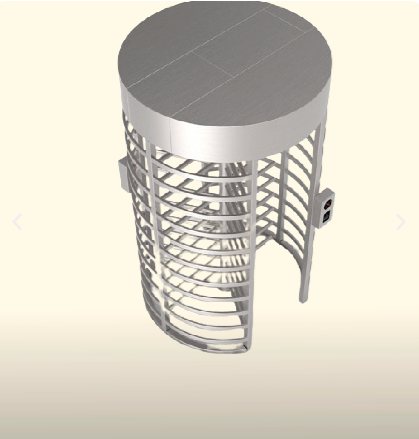
A turnstile door is a special kind of gate that lets only one person pass through at a time. You have likely seen these doors in many places. They help control who enters or exits an area.
This control is very important for safety and order. Turnstile doors are a smart way to manage crowds and secure buildings.
At Crystal Hills, we understand the need for reliable access control. We offer a variety of turnstile solutions to meet your security needs.
These doors play a big role in keeping places safe and organized. They are more than just gates; they are guardians of entry.
Understanding the Turnstile Door
So, how does a turnstile door actually work? Most turnstile doors use arms or barriers that rotate. When a person gets approval to pass, the barrier unlocks.
The person pushes the arm or walks through the opening. Then, the barrier locks again. This allows only one entry.
Turnstile doors have changed over time. Early versions were simple mechanical gates. Think of old stadiums or amusement parks.
Today, many turnstiles are quite smart. They can connect to computers. They can use ID cards, fingerprint scanners, or even face recognition. This makes them very effective for modern security.
What are the main parts of a turnstile? Usually, there is a sturdy frame that holds everything. Then, there are the rotating arms or barriers. These can be made of strong metal.
Inside, a mechanism controls the locking and unlocking. For smart turnstiles, there are also electronic parts. These include sensors and readers. Sensors detect when a person passes.
Readers check their permission to enter. All these parts work together. They ensure the turnstile door operates smoothly and securely. This teamwork of parts makes the turnstile a reliable entry solution.
Types of Turnstile Doors
Not all turnstile doors are the same. They come in different types. Each type suits different needs and places. Let’s look at some common ones.
Waist-High Turnstiles
These are probably the most common type you see. They reach about to your waist.
- Tripod Turnstiles: These have three arms. You push one arm to go through. After you pass, the next arm locks into place. Tripod turnstiles are great for places with lots of people, like subways or stadiums. They are strong. However, someone could try to jump over them because they are not very tall.
- Flap Barriers: These use small wings or flaps that retract or open. When you show a valid card, the flaps quickly open. Then they close. They look modern and are often used in office lobbies or fancy buildings. They are fast but might not offer the highest security.
- Swing Gates: These have a single arm or glass panel that swings open like a small gate. They are often wider. This makes them good for people with luggage or those needing wheelchair access. They provide controlled access and can look quite elegant.
Full-Height Turnstiles
Imagine a revolving door, but for security. That’s a full-height turnstile door. These go from the floor to the ceiling. They offer the highest level of security.
It is impossible to jump over or crawl under them. You often find them at places needing very tight control. Think of research labs, data centers, or prisons.
They are very robust. They can be used indoors or outdoors. Because they are so big and secure, they might look a bit imposing.
Optical Turnstiles
These are very modern and often do not have any physical arms. Instead, they use infrared beams. These beams create an invisible barrier.
When an authorized person walks through, nothing happens. But if someone tries to sneak in without permission, an alarm sounds. Sometimes, small barriers might pop up. Optical turnstiles are fast.
They look sleek and are good for corporate lobbies where looks matter. They are best for monitoring entry, rather than providing a strong physical block.
ADA-Compliant Gates
It is very important that everyone can access a building. The Americans with Disabilities Act (ADA) requires this. So, special ADA-compliant gates are often installed next to turnstiles. These are wider passages.
They allow easy access for people in wheelchairs or with strollers.
They work with the same access control systems as other turnstiles. Crystal Hills ensures that accessibility is always considered in any security plan.
Choosing the right type depends on many things. Think about how much security you need. Consider how many people will pass through. Also, think about the look you want.
The Undeniable Advantages of Turnstile Doors
Why should you consider a turnstile door for your facility? These special gates offer many benefits. They are more than just a way to open and close an entrance. Let’s explore some key advantages.
- Enhanced Security: The Primary BenefitThis is the biggest reason people choose turnstile doors. They provide a strong physical barrier. They stop unauthorized people from just walking in. Full-height turnstiles, for example, make it extremely hard for intruders. This control protects your property, assets, and people.
- Efficient Access Control: Managing Who Goes WhereTurnstile doors allow you to decide exactly who can enter specific areas. You can link them to access control systems. These systems use key cards, fobs, biometric scans (like fingerprints), or codes. Only people with the right credentials can pass. This helps you manage employee access to sensitive zones. Or, it ensures only ticket holders enter an event.
- Effective Crowd Management: Smooth Flow, No ChaosLarge crowds can be hard to manage. Turnstile doors help greatly. They ensure people enter one by one. This creates an orderly flow. It prevents pushing and rushing. Think about busy stadiums or metro stations. Turnstiles keep things moving smoothly and safely.
- Reduced Staffing Needs: Automation Saves CostsWithout turnstiles, you might need many security guards or staff to check IDs and tickets. Turnstile doors automate this process. While you may still need some staff, the number can often be lower. This can lead to significant cost savings over time. Staff can then focus on other important tasks.
- Integration Capabilities: Working with Other Security TechModern turnstile doors do not work alone. They can connect with other security systems. For instance, they can link to CCTV cameras. If an unauthorized entry is attempted, the camera can record the event. They can also link to alarm systems or visitor management software. This creates a complete security network.
- Durability and Long-Term Value: Built to LastHigh-quality turnstile doors are built to be tough. They are often made from stainless steel or other strong materials. They can handle thousands of passages every day. They are designed for long life with proper maintenance. This makes them a good long-term investment for your facility.
- Data Collection: Tracking Entry and ExitSmart turnstile doors can keep a record of who enters and exits, and when. This data can be very useful. It can help with attendance tracking for employees. It can provide visitor counts for events. It can also be valuable for security investigations if an incident occurs. This information helps you understand traffic patterns and make better decisions.
These advantages show that turnstile doors are a versatile and valuable tool for many organizations. They improve security, efficiency, and control.
Where You’ll See Turnstile Doors in Action
You might be surprised by how many places use turnstile door systems. Their versatility makes them suitable for a wide range of environments.
Here are some common applications:
- Corporate Offices and Buildings: Many modern offices use turnstiles in their lobbies. This helps control access for employees and visitors. Optical turnstiles are popular here. They look good and manage entry efficiently. They ensure only authorized staff reach secure office areas.
- Manufacturing and Industrial Sites: Factories and plants often have valuable equipment and sensitive areas. Turnstile doors help secure these locations. They track employee entry and exit. Full-height turnstiles are common in these settings. They offer robust security for perimeter control.
- Stadiums, Arenas, and Entertainment Venues: These places welcome huge crowds. Turnstiles are essential for managing ticketed entry. They count attendees. They prevent people without tickets from entering. Tripod turnstiles are a common sight at these venues.
- Public Transportation Hubs (Metro, Bus, Airports): Turnstile doors are vital in subway stations, bus terminals, and airports. They control access to paid areas. They ensure passengers have valid tickets or passes. This helps manage passenger flow and revenue collection.
- Educational Institutions: Schools, colleges, and universities sometimes use turnstiles. They can control access to libraries, dormitories, or sports facilities. This enhances student safety and security.
- Government Buildings: Secure access is crucial for government facilities. Turnstile doors help restrict entry to authorized personnel. They add a layer of protection to sensitive buildings.
- Retail Stores (Loss Prevention): Some larger retail stores use turnstiles at entrances or exits. This can help deter shoplifting. It creates a more controlled shopping environment.
- Gyms and Leisure Centers: Membership-based facilities like gyms use turnstiles. They ensure only paying members can access the facilities. This is often linked to membership cards or fobs.
The presence of a turnstile door in these places brings a sense of order and security. Crystal Hills has experience providing solutions for many of these applications. We can help determine the best fit for any environment.
Choosing the Perfect Turnstile Door
Selecting the right turnstile door is a big decision. It involves several important factors. Thinking about these points will help you choose the best solution for your needs. Crystal Hills can guide you through this process.
- Security Level Required: High, Medium, or Low?What is your main security goal? If you need to prevent any unauthorized access, like at a sensitive facility, a full-height turnstile offers the highest security. For general office lobbies, an optical or flap barrier might be enough. These offer medium security and look good. Waist-high tripod turnstiles are good for crowd control with a basic security level.
- Volume of Traffic: How Many People Per Minute/Hour?Consider how many people will pass through the turnstile. Some turnstiles are designed for high traffic flow. For example, optical turnstiles and flap barriers allow quick passage. Tripod turnstiles are also good for busy areas. If you have fewer people, other types might work well too. You want to avoid long queues.
- Space Availability: Physical ConstraintsHow much space do you have for the turnstile? Full-height turnstiles need more space. Waist-high and optical turnstiles can fit in smaller areas. You need to measure the location carefully. Also, think about how many lanes you need. More lanes mean more space.
- Indoor or Outdoor Installation?: Will the turnstile be inside or outside? Outdoor turnstiles need to be weatherproof. They must withstand rain, dust, and temperature changes. Full-height and some tripod turnstiles are often built for outdoor use. They are usually made of durable stainless steel.
- Aesthetic Preferences: Blending with Design: The look of the turnstile matters, especially in places like corporate lobbies or upscale buildings. Optical turnstiles and swing gates often have sleek, modern designs. They can use glass and stainless steel. Full-height turnstiles are more about function than looks. Choose a style that matches your building’s design.
- Budget: Factoring in “Turnstile door price”Your budget plays a big role. The Turnstile door price varies a lot. Simple tripod turnstiles are usually less expensive. Sophisticated optical turnstiles or high-security full-height turnstiles cost more. Remember to include the cost of installation and any access control integration. Crystal Hills offers options for various budgets.
- Accessibility Needs (ADA): Always remember accessibility. You need to ensure everyone can enter your facility. This means providing an ADA-compliant gate. This is usually a wider swing gate. It should be placed alongside your main turnstile lanes.
Considering these factors will help you make an informed choice. It ensures your turnstile door meets your security, operational, and budget needs.
Turnstile Door Installation
Once you choose your turnstile door, proper installation is key. Professional Turnstile door installation ensures your system works correctly and safely for years.
It is not just about placing the unit; it involves careful planning and execution.
- Why Professional “Turnstile door installation” is Crucial: Trying to install a turnstile yourself can lead to problems. Incorrect installation can damage the turnstile. It might not work as expected. It could even be unsafe. Professionals have the right tools and expertise. They understand the mechanical and electrical parts. They know how to integrate the turnstile with your access control system. A professional Turnstile door installation also often maintains your warranty. Crystal Hills provides expert installation services. We ensure your turnstile is set up perfectly.
- The Typical Installation ProcessA standard Turnstile door installation usually follows these steps:
- Site Assessment and Planning: First, our technicians visit your location. They check the floor surface. They identify power sources. They discuss the best placement for the turnstile lanes. They plan the wiring routes.
- Foundation and Mounting: The turnstile needs a solid base. For concrete floors, bolts are often used. The technicians ensure the turnstile is level and securely mounted. This prevents any wobbling or movement.
- Electrical Wiring and System Integration: Next, the turnstile is connected to power. If it’s a smart turnstile, it needs to be wired to your access control panel. This could involve connecting card readers, biometric scanners, or push buttons. Our team ensures all connections are safe and correct.
- Testing and Commissioning: After everything is connected, thorough testing begins. Technicians check that the turnstile locks and unlocks correctly. They test the passage in both directions (if applicable). They verify that the access control system works with the turnstile. Any necessary adjustments are made. You will also receive training on how to use it.
- What Crystal Hills Offers for Installation: At Crystal Hills, we don’t just sell turnstiles. We provide a complete solution. Our experienced technicians handle every aspect of the Turnstile door installation. We work efficiently to minimize disruption to your business. We ensure your system is fully operational and meets all safety standards. We believe a great product deserves great installation.
Investing in professional Turnstile door installation means peace of mind. It means your security system starts off on the right foot.
Keeping Your Turnstile Door in Top Shape
A turnstile door is a hardworking piece of equipment. Like any machine with moving parts, it needs regular care. Proper maintenance keeps your turnstile working smoothly.
It also extends its lifespan. Neglecting maintenance can lead to unexpected breakdowns and costly repairs.
Here are some essential maintenance tips:
- Regular Cleaning: This is the simplest yet very important step. Keep the turnstile clean from dust, dirt, and grime. For stainless steel turnstiles, use appropriate cleaners. This not only keeps it looking good but also prevents buildup that could affect moving parts or sensors.
- Lubrication of Moving Parts: Turnstiles have bearings and rotating mechanisms. These parts need lubrication to move freely and quietly. Check the manufacturer’s guide for the right type of lubricant. Apply it as recommended, perhaps once or twice a year depending on usage.
- Checking Sensors and Electronic Components: For optical turnstiles or those with electronic access control, sensors are vital. Ensure they are clean and not obstructed. Periodically check that card readers, biometric scanners, and display lights are working correctly. Loose connections should be addressed promptly.
- Software Updates (for Smart Turnstiles): If your turnstile system is integrated with software, keep it updated. Software updates often include security patches and performance improvements. This ensures your system remains secure and efficient.
- Importance of a Maintenance Schedule: Don’t wait for a problem to occur. Create a regular maintenance schedule. This could involve daily visual checks, weekly cleaning, and monthly or annual inspections by a qualified technician. Crystal Hills can help you create a maintenance plan. We also offer maintenance services to keep your turnstile doors in perfect working order.
Taking good care of your turnstile door ensures it continues to protect your premises effectively. A little effort in maintenance goes a long way. It means reliable operation and better return on your investment.
Understanding Turnstile Door Price
When you decide to buy a turnstile door, one of the first questions is about the cost. The Turnstile door price can vary quite a bit.
Several factors influence how much you will pay. It is good to understand these factors. This helps you set a realistic budget.
-
Factors Influencing “Turnstile door price”:
- Type of Turnstile: As we discussed, there are many types. A simple tripod turnstile is usually the most affordable. Full-height turnstiles, with more material and robust mechanisms, cost more. Sophisticated optical turnstiles with advanced sensors also come at a higher price.
- Materials and Build Quality: Turnstiles made from high-grade stainless steel (like 304 or 316 for outdoor use) will be more expensive. But they offer better durability and corrosion resistance. The thickness of the steel and the quality of the internal components also affect the price.
- Features and Integration: Basic turnstiles just control passage. Advanced models include features like built-in card readers, biometric scanners (fingerprint, face), or integration with complex security software. Each added feature increases the Turnstile door price.
- Brand and Manufacturer: Well-known brands with a reputation for quality and reliability might charge more. However, this often comes with better warranties and customer support.
- Customization: If you need custom sizes, colors, or branding on your turnstiles, this will add to the cost. Standard models are usually more budget-friendly.
- Purchase Quantity: Buying multiple units for a large facility might give you a better price per unit.
- “Turnstile door price in Nigeria”:Finding an exact Turnstile door price in Nigeria online can be tricky. Prices depend heavily on the specific model and supplier. However, you can find waist-high tripod turnstiles starting from several hundred thousand Naira. More advanced systems or full-height turnstiles can go into millions of Naira.Local factors in Nigeria also play a role. These include:
- Importation Costs: Many turnstiles or their components are imported. Shipping costs, import duties, and exchange rates affect the final Turnstile door price in Nigeria.
- Installer Expertise: The cost of professional installation can vary. Experienced installers might charge more, but they ensure the job is done right. Crystal Hills works to provide competitive and transparent Turnstile door price in Nigeria. We consider your budget and help you find the best value.
- Finding “Turnstile door for sale”:When looking for a Turnstile door for sale, consider more than just the initial price.
- Authorized Dealers vs. General Suppliers: Buying from an authorized dealer like Crystal Hills often means you get genuine products. You also get proper support.
- Warranty and After-Sales Service: Check the warranty offered. Good after-sales service is crucial for maintenance and any future repairs. This is an important part of the overall value when you see a Turnstile door for sale.
Understanding these price factors helps you choose wisely. Crystal Hills can provide detailed quotes for your specific needs. We make sure you know all costs involved.
Why Crystal Hills is Your Go-To for Turnstile Doors in Nigeria
Choosing a partner for your security needs is important. Crystal Hills stands out as a trusted provider of turnstile door solutions in Nigeria.
We offer more than just products; we provide peace of mind.
Our commitment begins with quality. We source robust and reliable turnstile doors. We understand the security challenges faced by businesses and organizations.
Therefore, we offer a wide range of turnstiles. You can find waist-high, full-height, and optical turnstiles in our collection. This variety ensures we have a solution for every need and budget.
Crystal Hills provides expert consultation. We help you select the perfect turnstile door. Our team considers your specific requirements.
We then handle the professional Turnstile door installation. This ensures your system works flawlessly from day one. We also offer competitive Turnstile door price in Nigeria. We believe top security should be accessible.
Furthermore, our relationship does not end with the sale. We provide reliable after-sales support and maintenance services.
When you search for a Turnstile door for sale, choose a partner that supports you long-term. Choose Crystal Hills for dependable security solutions.
FAQs about Turnstile Door
1. What is a turnstile?
A turnstile is a mechanical gate with rotating arms that allows one person to pass at a time, often used to control access or count entrants.
2. What are the different types of turnstiles?
Common types include tripod (waist-high), full-height, optical (sensor-based), drop-arm, and swing-gate turnstiles, each suited for different security and flow needs.
3. What is the purpose of a turnstile gate?
Turnstiles control access, enhance security, manage crowd flow, and track attendance in places like subways, stadiums, or offices.
4. How does a turnstile work?
A turnstile rotates when a user pushes through after validation (e.g., via ticket, card, or biometric scan), locking after each pass to ensure single entry.
5. Why are turnstiles used in public spaces?
They prevent unauthorized access, reduce fare evasion, ensure safety by controlling crowds, and provide data on foot traffic.
6. Who invented the turnstile?
The modern turnstile was patented by John Stevens and Theodosius Stevens in 1928, though earlier versions existed for crowd control.
7. What is another term for a turnstile?
Another term is “baffle gate” or “revolving gate,” depending on the context.
8. How do you properly use a turnstile?
Approach the turnstile, present a valid ticket or access card, wait for the unlock signal, and push through the rotating arms smoothly.
9. What is the typical size of a turnstile?
Tripod turnstiles are about 3–4 feet high and 2–3 feet wide; full-height ones can be 7–8 feet tall and 4–5 feet wide, varying by model.
10. What materials are commonly used to make turnstiles?
Turnstiles are typically made of stainless steel, aluminum, or reinforced plastic for durability, with some featuring glass panels or rubberized arms.
Conclusion
In today’s world, controlling access is vital. A turnstile door is a smart investment. It boosts your security. It improves operational efficiency.
It helps manage crowds effectively. From robust full-height units to sleek optical barriers, there is a turnstile for every need.
Are you ready to enhance your facility’s security and access control? Don’t wait to secure your premises.
Contact Crystal Hills today!
Our experts are ready to discuss your needs. We can provide a free consultation and a detailed quote.
Explore our wide range of Turnstile door for sale and find the perfect fit for your organization.
Call us now at +2348-1383-16169 or visit our website at www.crystalhills.ng to learn more.
Let Crystal Hills be your partner in security.


