

What is the Cost of Bollards Installation | Crystal Hills

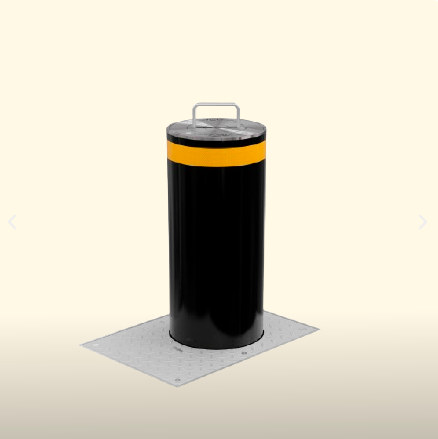
Understanding the cost of bollards installed, or the total Cost of Bollards Installation, is a common and important query for those enhancing property safety.
Bollards are well-regarded for their effectiveness in managing traffic and protecting pedestrians and assets.
Many individuals and organizations consider them a valuable addition to their sites. However, the expenses involved can vary quite widely.
This variation often depends on numerous specific factors related to both the bollards themselves and the installation site.
This article aims to provide a clear, balanced, and diplomatic overview of these factors. Our intention is to help you approach your project with a comprehensive understanding of potential costs.
At Crystal Hills, we believe in offering transparent guidance. We are here to assist you in navigating these considerations for your projects in Nigeria.
What Influences How Much Do Bollards Cost?
A significant portion of the total expense relates to the question: “How much do bollards cost?” This refers to the price of the individual bollard units before any installation work is considered.
Several elements contribute to this unit price. It is helpful to be aware of these as you begin your planning.
-
Material of the Bollard: The substance from which a bollard is made is a primary cost driver.
- Concrete Bollards: The Concrete Bollard cost can be influenced by whether they are plain precast units or have decorative finishes. Reinforced concrete bollards designed for higher impact will also differ in price.
- Steel Bollards: Steel bollards vary in price based on the type of steel (e.g., carbon steel, stainless steel), its thickness (gauge), diameter, and finish (e.g., galvanized, powder-coated, or painted).
- Other Materials: Bollards can also be made from cast iron, polyurethane, timber, or recycled plastic, each with its own price point based on raw material costs and manufacturing complexity.
-
Type of Bollard:
- Fixed Bollards: These are typically the most straightforward in design and often represent a more economical unit cost.
- Removable Bollards: These require a locking mechanism and a ground sleeve, which can add to their unit price compared to basic fixed types.
- Retractable Bollards: As we will discuss further, “How much do retractable bollards cost” is a question with a higher price implication due to their complex mechanisms. Manual retractable units are less expensive than semi-automatic or fully automatic ones.
- Electric Bollards: These are usually automatic retractable bollards with motors and control systems, placing them at the higher end of the unit price spectrum.
-
Size, Design, and Finish: Larger bollards naturally require more material and thus tend to cost more. Intricate designs, architectural styles, custom branding, or specialized finishes (like anti-graffiti coatings or specific color matching) also add to the unit price.
-
Brand and Manufacturer: Established brands known for quality, durability, and testing certifications may command higher prices. The origin of manufacture can also play a role.
-
Impact Rating and Special Features: Bollards engineered and tested to withstand specific vehicle impact levels (crash-rated bollards) are significantly more expensive due to their robust construction and the rigorous testing they undergo. Bollards with integrated lighting or other special features will also have a higher unit cost.
- Understanding a “Bollards price list”: Many potential buyers search for a comprehensive “Bollards price list.” While suppliers like Crystal Hills can provide pricing for standard models, it is diplomatically important to understand that such lists often serve as a general guide. Due to the wide array of customization options (material, size, design, finish, features), a fixed list cannot always cover every possible configuration. Therefore, for an accurate unit cost, especially for specialized or multiple units, requesting a custom quotation based on your specific requirements is generally the most reliable approach.
Being aware of these factors will help you have more informed discussions when sourcing your bollards.
Breaking Down the Cost of Bollards Installation
Beyond the unit price of the bollards, the other major component of the total cost of bollards installed is the installation service itself.
The Cost of Bollards Installation can vary considerably. This is because each site and project has unique characteristics.
A professional installation is vital for ensuring the bollards are secure, functional, and provide the intended level of protection.
Let’s consider the typical elements that contribute to this service cost:
-
Site Assessment and Preparation:
- Initial Survey: A thorough site assessment by experienced installers is highly advisable. This helps to identify any potential challenges, confirm the suitability of the chosen bollard type, and plan the installation method effectively.
- Utility Locating Services: Before any digging, it is crucial to locate and mark any underground utilities. This includes water pipes, gas lines, electrical cables, and communication lines. Accidentally damaging these can lead to hazardous situations and significant repair expenses. Professional installers use specialized detection tools.
- Ground Conditions: The nature of the ground where the bollards will be installed plays a big role. Soft ground like soil or grass may be easier to excavate. However, existing hard surfaces such as concrete, asphalt, or paving stones will require cutting, coring, or breaking, which adds to labor and equipment usage.
- Excavation: Most fixed, removable, and retractable bollards require excavation for their footings or housings. The depth and diameter of these excavations depend on the bollard type, its size, the soil type, local frost line depth, and the required impact resistance.
-
Materials for Installation:
- Concrete for Footings: A significant material cost during installation is the concrete used to create the footings that anchor the bollards. The volume of concrete needed will depend on the size and number of footings.
- Reinforcement: Steel rebar or other reinforcing materials may be needed within the concrete footings, especially for security bollards, to provide extra strength.
- Forms and Setting Aids: Cylindrical cardboard tubes (Sonotubes) or other types of forms might be used to shape the concrete footings. Temporary braces are used to ensure bollards are set perfectly plumb.
- Backfill and Finishing Materials: Materials for backfilling around the footing and for restoring the surface (e.g., patching asphalt, relaying pavers, or topsoil and seed for grass areas) are also part of the cost.
- Labor Costs: Skilled labor is a primary driver of installation costs. This includes:
- Operating excavation equipment.
- Precisely setting and aligning the bollards.
- Mixing, pouring, and finishing concrete.
- Cutting and making good existing surfaces.
- Site clean-up. Labor rates can differ based on skill level and geographic location. This is a key reason why the “Cost of bollards installation near me” can vary.
- Equipment Needed: Installers may use various types of equipment, such as mini-excavators, augers, concrete saws, core drills, jackhammers, concrete mixers, and vehicles for transporting materials and debris. The cost of operating or renting this equipment is factored in.
- Number of Bollards and Site Accessibility: Installing a larger number of bollards in a single project can sometimes reduce the average per-bollard installation cost. This is because initial mobilization costs (transporting crew and equipment to the site) are spread over more units. Difficult site access that restricts machinery use and requires more manual labor can also increase costs.
- Permits and Inspections: Depending on the location (e.g., public land vs. private property) and the nature of the installation, local council permits or inspections may be required. These can involve application fees.
Understanding these detailed components helps to appreciate the work involved in a professional bollard installation.
Exploring Costs for Specific Bollard Types and Applications
The specific type of bollard chosen and its intended application significantly shape the overall cost of bollards installed. Let’s delve into some common scenarios:
- Concrete Bollards: The Concrete Bollard cost for the unit itself depends on factors like size, whether it’s a plain precast unit or has decorative elements, and the level of internal reinforcement. For installation, these often heavy units require careful handling. Their installation typically involves excavating for a substantial concrete footing, placing the bollard, and pouring fresh concrete to secure it. The labor and materials for this footing are key parts of their installation cost.
- Steel Bollards: The unit cost of steel bollards is influenced by steel grade, diameter, wall thickness, and protective finishes (e.g., galvanizing, powder coating). Installation might involve setting the steel post into a concrete footing (sometimes filling the hollow post with concrete for added mass and strength). Alternatively, some steel bollards are designed with base plates for surface mounting onto existing suitable concrete slabs, which requires strong anchor bolts and precise drilling. The chosen method affects the installation cost.
- Removable Bollards: The unit price for removable bollards will include the locking mechanism and the post itself. The installation primarily involves setting a ground sleeve or socket accurately and securely into a concrete footing. This footing needs to be robust enough to handle the forces on the bollard when it is in place. The cost of bollards installation for removable types centers on creating this durable and precise foundation for the sleeve.
- Retractable Bollards (“How much do retractable bollards cost”): The question “How much do retractable bollards cost?” reveals a higher overall investment. The bollard units themselves (manual, semi-automatic, or fully automatic) are more expensive due to their internal mechanisms. Their installation is also more complex and costly. It involves deeper and often wider excavation for the below-ground housing, ensuring proper alignment for smooth operation, providing adequate drainage to protect the mechanism, and for automatic versions, installing power supplies and control systems.
- “Electric bollard installation cost”: Electric bollards are typically fully automatic retractable bollards. The Electric bollard installation cost is among the highest due to several factors:
- Unit Price: The bollard unit includes an electric motor or hydraulic system, sophisticated control electronics, and often requires robust construction to house these components securely.
- Installation Complexity:
- Deep Excavation: Significant excavation is needed for the large underground casing.
- Power Supply: Dedicated electrical wiring must be run to each bollard. This may involve trenching from a power source, using armored cables, and ensuring all electrical work is done by qualified electricians to meet safety standards.
- Control Systems: Control panels, keypads, card readers, remote controls, or integration with existing security or building management systems need to be installed and configured.
- Safety Features: Often, induction loops are cut into the pavement and wired to detect vehicles, preventing the bollard from rising unexpectedly. Photocells or other safety sensors might also be part of the system.
- Drainage: Proper drainage is critical to prevent water from damaging the electrical and mechanical components housed below ground. These specialized requirements mean that the labor and material costs for an Electric bollard installation cost project are substantially higher than for simpler fixed bollards.
- “Driveway bollard installation cost”: Installing bollards on a residential or commercial driveway is a common application. The Driveway bollard installation cost will depend on:
- Type of Bollard Chosen: For driveways, common choices include removable bollards (for occasional access), manual retractable bollards (for convenience), or sometimes fixed bollards at the driveway edges. The choice impacts both unit and installation costs.
- Number of Bollards: Driveways typically require only one to three bollards across the access point.
- Existing Driveway Surface: Installing into an existing asphalt, concrete, or paved driveway will involve cutting and making good the surface after the bollard footing is installed. This is more labor-intensive than installing in a new driveway construction phase.
- Aesthetics: Homeowners often prioritize bollards that complement their property’s appearance.
- Security Needs: The level of security required will influence the type and robustness of the bollard chosen. A straightforward installation of a single removable bollard in an existing driveway will have a different cost profile than installing multiple automated electric bollards at the entrance to a large commercial driveway. Crystal Hills can provide specific advice on the most suitable and cost-effective options for your driveway.
Using a Cost of Bollards Installed Calculator
During your research, you might encounter online tools labeled as a “Cost of bollards installed calculator” or a “Cost of bollards installation calculator.”
These tools aim to provide users with a preliminary estimate of potential expenses. It is helpful to understand their function and their inherent limitations from a diplomatic standpoint.
-
Purpose and Function: These calculators typically ask for basic inputs, such as the type of bollard, the number of units, and perhaps some general site parameters. Based on these inputs, they generate an approximate cost range. Their main purpose is to offer a very early-stage, rough idea for initial budgeting or consideration.
-
Benefits:
- They can provide a quick, ballpark figure if you are just starting to explore options.
- They might help you appreciate some of the variables that influence the final price.
- Significant Limitations:It is important to approach the figures from such calculators with considerable caution. They generally cannot provide an accurate or reliable final cost for your specific project. This is because:
- Site-Specific Variables: Online calculators cannot assess the unique conditions of your installation site. Factors like soil type, ground slope, accessibility for machinery, the precise location of underground utilities, and the need for specific surface restoration are rarely captured in detail.
- Regional Cost Differences: Labor rates and material prices can vary significantly by location. A generic calculator is unlikely to reflect the exact costs if you are seeking the “Cost of bollards installed near me.”
- Material and Product Fluctuations: The cost of steel, concrete, and specialized bollard components can change over time.
- Quality and Scope: Calculators do not differentiate based on the quality of materials used by different installers or the thoroughness of their installation process (e.g., depth of footings, quality of finishing).
- Exclusions: They often exclude costs related to permits, specialized equipment for unexpected challenges, or complex integrations (like with electric bollards).
While a “Cost of bollards installed calculator” can be a point of initial reference, it is not a substitute for a professional site evaluation and a detailed, customized quotation from an experienced installation company.
For a true understanding of the Cost of Bollards Installation for your project, direct consultation is advisable.
Finding the Cost of Bollards Installed Near Me
When you are trying to determine the “Cost of bollards installed near me,” or looking for “Bollard installation near me,” local factors play a crucial role.
The overall expense for your project will indeed be influenced by conditions and rates in your specific geographic area, such as within Nigeria.
Here are key local aspects to consider:
- Regional Labor Rates: The cost of skilled labor (for excavation, concrete work, electrical work if needed, and general installation) is a major component. These rates can vary between different states, cities, or even urban and rural areas.
- Local Material Prices and Availability: The cost of raw materials like concrete, aggregates, steel, and even the bollard units themselves can be affected by local suppliers, demand, and transportation expenses to your site.
- Transportation and Logistics: The distance materials, equipment, and installation crews need to travel to your location will be factored into the cost. Sites that are more remote or difficult to access may incur higher logistical expenses.
- Local Ground Conditions and Climate: Specific geological conditions (e.g., very rocky soil, high water table) or climatic factors (e.g., deep frost lines requiring deeper footings) are inherently local. An experienced local installer will be familiar with these and how they impact the installation method and cost.
- Local Council Regulations and Permit Fees: Different municipalities may have unique requirements for permits, inspections, or adherence to specific installation standards, particularly for bollards placed in public access areas or those intended for high security. Associated fees can also vary.
Choosing a Local Installer Diplomatically:
When searching for “Cost of bollards installation near me,” it is wise to:
- Engage Local Professionals: Companies like Crystal Hills, with experience in Nigeria, possess valuable local knowledge regarding site conditions, material sourcing, and typical practices.
- Seek Detailed Quotations: Obtain comprehensive written quotes from a few reputable local installers. These quotes should clearly break down the costs for materials, labor, equipment, and any other anticipated charges. This allows for a fair comparison.
- Evaluate Value Holistically: While the price is an important factor, it is advisable to consider the overall value. This includes the installer’s experience, their reputation for quality workmanship, the grade of materials they propose, any warranties offered, and their understanding of your specific safety and security needs. The cheapest initial quote may not always translate to the best long-term solution if the installation quality is compromised.
- Verify Credentials: Check for appropriate insurance and any necessary local business licensing. You may also ask for references or examples of previous work in your area.
By taking these steps, you can gain a more accurate picture of the cost of bollards installed in your vicinity and choose a reliable partner for your project.
Additional Factors to Consider
When budgeting for the total Cost of Bollards Installation, it can be helpful to keep a few other potential variables in mind.
While these may not apply to every situation, awareness allows for more thorough financial planning:
- Removal of Existing Structures: If your site currently has old bollards, damaged pavement, or other obstructions that need to be removed before the new bollard installation can begin, this will involve additional labor, equipment, and disposal costs.
- Urgency or Out-of-Hours Work: If the installation needs to be completed within a very tight timeframe or requires work outside of normal business hours (e.g., overnight in a busy commercial area to minimize disruption), this can sometimes affect labor costs.
- Complex Site Logistics: Sites with very limited access for machinery, significant slopes, or other challenging logistical features might require more specialized planning and potentially more manual labor, which can influence the cost.
- Changes to Project Scope: If the project requirements change after initial quoting (e.g., an increase in the number of bollards, a change to a more complex bollard type, or additional security features requested), this will naturally lead to adjustments in the overall cost.
Open communication with your chosen installation partner, like Crystal Hills, is key.
A reputable company will discuss any foreseeable additional considerations with you during the planning and quotation stage to ensure transparency.
Your Guide to Understanding Bollard Costs
Navigating the various factors that determine the cost of bollards installed can appear challenging. At Crystal Hills, our aim is to simplify this process for our clients throughout Nigeria.
We are committed to a diplomatic, transparent, and client-focused approach when discussing all aspects of your Cost of Bollards Installation.
Our experienced team can provide guidance on the most suitable bollard types for your specific needs, whether you are considering robust Concrete Bollard cost effectiveness, the versatility of steel, the flexibility of removable options, or the advanced functionality of electric or retractable systems, including for specific applications like driveway security.
We understand that “How much do bollards cost” per unit and how much the installation will be are primary concerns.
Therefore, we provide clear and detailed quotations. These break down the anticipated expenses, covering both the bollard units and the full scope of the installation work.
We can help you understand how tools like a “Cost of bollards installed calculator” can offer initial ballpark figures, while also explaining why a professional on-site assessment is crucial for an accurate final cost.
Our “Bollards price list” for standard items is a starting point, leading to a customized quote for your project.
Crystal Hills is dedicated to delivering high-quality installations using appropriate materials and skilled workmanship.
We focus on providing solutions that offer excellent long-term value and peace of mind. We are here to answer your questions about the “Cost of bollards installation near me” and to help you secure your premises effectively and within a well-understood budget.
FAQs – Cost of Bollard Installation
- How much does it cost to install a bollard?
The installation cost typically ranges from $200 to $800 per bollard, depending on ground conditions, location, and whether additional utilities are involved. - What factors affect bollard installation costs?
Several factors influence the cost:- Type of bollard (fixed, removable, decorative, security-rated)
- Ground material (asphalt, concrete, soil)
- Site accessibility and location
- Required permits and regulations
- Existing utility lines or necessary relocations
- How much does a concrete bollard cost to install?
Installing a concrete bollard typically costs $400 to $1,200, factoring in excavation, reinforcement, and concrete foundation work. - Are there different costs for manual vs. automated bollards?
Yes. Manual bollards are relatively affordable ($200–$800), while automated or retractable bollards can cost between $2,000 and $5,000+ per unit, including installation, wiring, and control systems. - Do I need a permit to install bollards?
Usually, yes—especially for installations on public sidewalks or roadways. Permits can add $100 to $500 to the total project cost, depending on the municipality. - How long does it take to install one bollard?
A typical installation takes 1 to 3 hours per bollard, excluding curing time for concrete or delays related to permitting. - Can I install bollards myself to save money?
Some surface-mounted or removable bollards can be DIY projects. However, embedded or crash-rated bollards should be installed by professionals to ensure structural integrity and compliance with safety standards. - What is included in a typical bollard installation?
A standard installation covers:- Site prep and marking
- Excavation and anchoring
- Concrete work (if needed)
- Final placement and alignment
- Cleanup and post-installation inspection
- Are there ongoing maintenance costs after installation?
Yes, though they’re typically low. Maintenance might involve repainting, corrosion protection, stability checks, or part replacements, especially in high-traffic or outdoor environments. - How do I get an accurate quote for bollard installation?
For a precise estimate, provide:
- Quantity and type of bollards
- Site conditions and surface type
- Any known underground utilities
- Access limitations and permit needs
- Preferred installation timeframe
Conclusion
The cost of bollards installed is a variable figure, thoughtfully shaped by the specific type of bollard selected, the unique conditions of the installation site, and the professional labor involved.
By understanding these diverse elements, as outlined in this guide, you can approach your security and traffic management projects with greater clarity and make informed decisions.
Partnering with experienced professionals ensures a quality outcome that aligns with your needs and budget.
Are you ready to explore bollard solutions for your property and understand the specific Cost of Bollards Installation for your project?
Contact Crystal Hills today for a personalized, no-obligation consultation and a detailed quotation.
Our team is prepared to discuss your requirements, explain the factors influencing the cost of bollards installed, and guide you towards the most effective and suitable options for your site in Nigeria.
Call us at +2348-1383-16169 or visit our website at www.crystalhills.ng to begin the conversation.
Let Crystal Hills help you achieve enhanced safety and security with clarity and confidence.


